
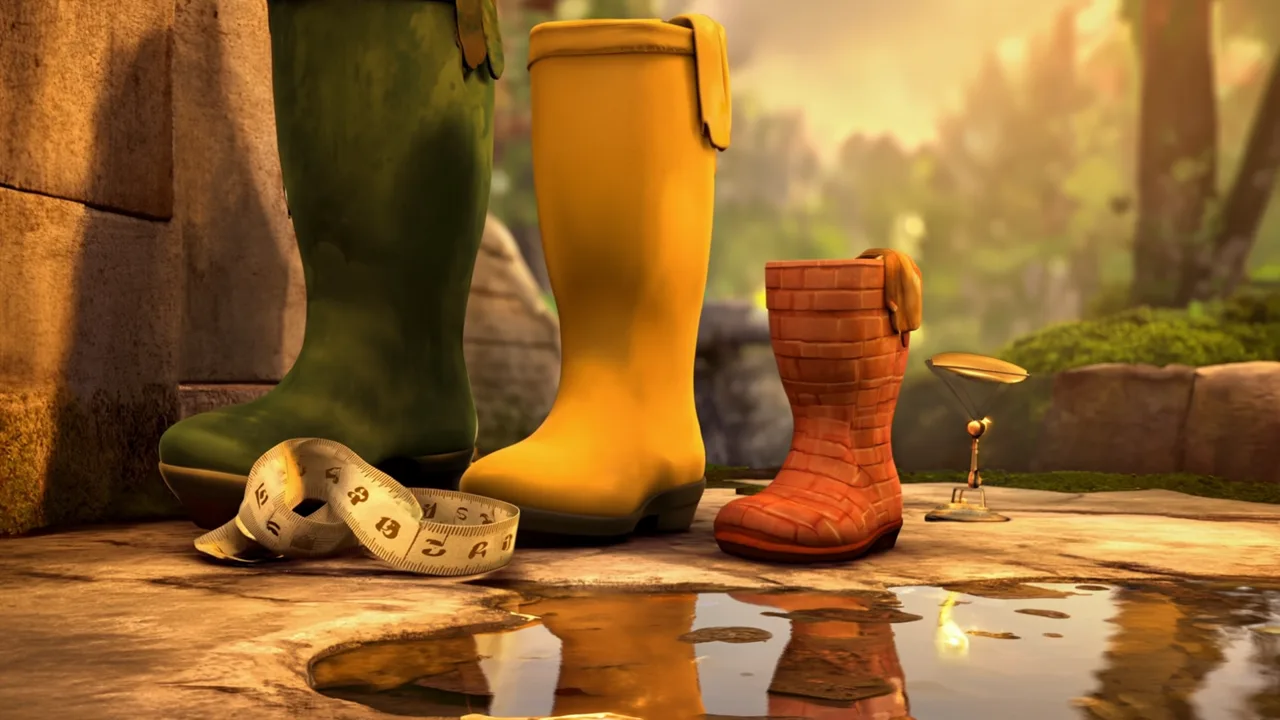
England’s early years guidance encourages adults to talk with young children about their everyday ways of comparing size, length, weight and capacity. It sits alongside counting because measurement is how numbers meet the physical world.
Researchers who map how children learn maths, such as Clements and Sarama, describe early maths in terms of learning trajectories: sequences of steps that build on each other. For measurement, a natural starting point is simple, direct comparison.
The steps children move through
- Noticing a quality: this stick is long, this bag is heavy.
- Comparing directly: standing two toys side by side to see which is taller, holding one thing in each hand.
- Lining up fairly: learning that the ends must start at the same place for a fair comparison.
- Everyday units: “The table is six hands long.” Children learn that the units must be the same size and leave no gaps.
- Standard units: rulers, scales and jugs come later, and make more sense after the steps above.
Everyday measuring ideas
Length: who has the longest shoe? Line up the family’s shoes from shortest to longest. Measure the sofa in footsteps.
Weight: which is heavier, the apple or the banana? Hold one in each hand, then check with a simple balance or kitchen scale.
Capacity: bath time and the sink are perfect. Which cup holds more? How many small cups fill the big jug?
Time: “before”, “after”, “longer” and “shorter” are measurement words too, and a sand timer makes time visible.
Talk is the secret ingredient
Children learn the language of measurement by hearing it in context. Rather than “big” for everything, try the precise word: tall, wide, heavy, deep, full. Ask “how could we find out?” rather than giving the answer.
A surprising result, like a tall thin glass holding less than a short wide one, is a gift: let them wonder about it.