
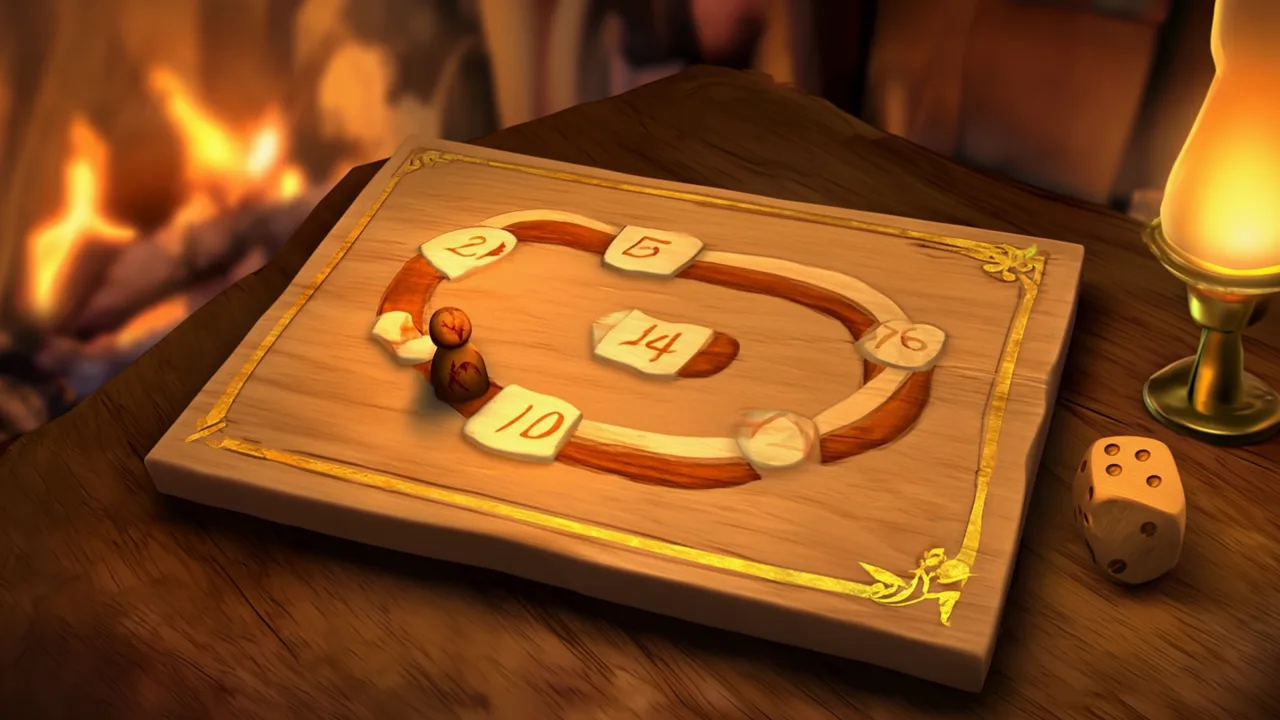
Children who grow up playing board games with family often arrive at school with a stronger feel for number. Researchers wondered whether the games themselves could be part of the reason, and tested it.
The studies
Siegler and Ramani gave preschoolers from low-income backgrounds a simple game: a straight row of squares numbered 1 to 10, a spinner, and a token to move.
Over around four short sessions, children who played improved in counting, recognising numerals, comparing which number is bigger, and placing numbers on a line.
A comparison group played the same game with coloured squares instead of numbers. They did not show the same gains. In a related study, the improvements were still present nine weeks later.
The likely reason is simple: a straight numbered track makes the size of a number visible. Higher numbers are further along, take more moves to reach, and take longer to say.
How to play for maths
- Choose games with a straight or snaking track of numbered squares, like snakes and ladders.
- Say the numbers you land on as you move: “five, six, seven”, rather than counting “one, two, three” from wherever you are.
- Use dice with dots for small children, then numerals as they grow.
- Ask light questions: “Who is further ahead? How many more to get to ten?”
- Card games like snap with numbers, dominoes and simple shop games add comparing and adding.
Fun first
The gains came from short, enjoyable play, not long sessions. Let your child win sometimes, keep games brief, and stop while it is still fun. The point is a warm, repeated experience of numbers in order, shared with someone they love.